
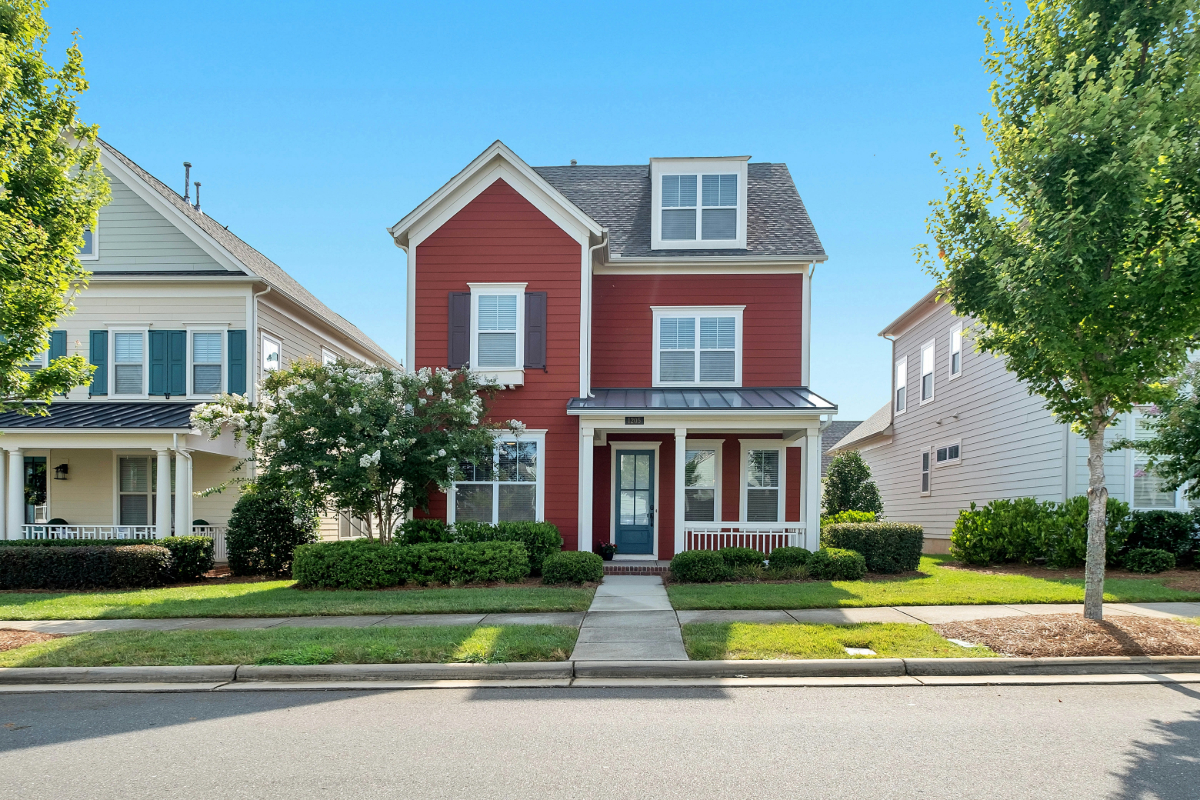
Across North Carolina, one story keeps repeating itself: homeowners are struggling to keep pace with rapidly rising property tax bills, especially long‑time residents on fixed incomes — including seniors and people with disabilities. This isn’t just about markets going up; it’s about households feeling like their backs are against the wall, wondering what options they actually have when their tax bills suddenly jump.
From Durham to the Triangle and beyond, people are asking: Are there programs that help? Are there meaningful solutions? Or are we just stuck paying more forever?
Why Property Taxes Are Becoming a Bigger Burden
North Carolina cities and counties rely heavily on property tax revenue to fund schools, emergency services, parks, roads, and local government — which makes reassessments a powerful driver of tax bills. But when housing markets surge quickly, as they have in recent years in many NC metros, assessments often outpace household incomes and put pressure on residents who aren’t moving or earning more.
That’s especially true for homeowners on fixed incomes, such as retirees and individuals with disabilities, who don’t have the ability to absorb higher bills the way some new buyers or investors might. People across neighborhoods report that property taxes now eat up a significant slice of their budget — on top of rising utility, insurance, and grocery costs. The narrative has shifted from “I own my home outright” to “I’m barely keeping it.”
Property Tax Relief Programs in North Carolina
North Carolina does offer state‑authorized property tax relief programs that many homeowners don’t even know about — but they are targeted and conditional, meaning not everyone qualifies.
🛟 1. Elderly or Disabled Homestead Exclusion
If you’re 65 or older, or totally and permanently disabled, and your income is under the statutory threshold, North Carolina counties can reduce the taxable value of your home. This is sometimes referred to as the homestead exclusion.
- You may exclude $25,000 or 50% of the assessed value of your primary residence — whichever is greater — from taxation.
- Income limits vary but for many 2025 programs are around $38,800 total household income.
- This lowers your tax bill because less of your home’s value is subject to tax.
📉 2. Circuit Breaker Property Tax Deferral
Also available in many NC counties (including Durham) is the Circuit Breaker program, which limits the amount of property taxes you pay relative to your income.
- Qualified seniors or disabled homeowners can cap their tax bill at 4–5% of their income, deferring amounts above that.
- Deferred taxes remain a lien on the property and may become due if the home is sold or the owner moves, but it offers immediate cash‑flow relief.
- This program requires annual application and proof of income.
🏠 3. Disabled Veteran Exclusion
For qualifying disabled veterans (100% total and permanent service‑connected), North Carolina offers property tax exclusions — excluding up to a specified amount of your home’s value from taxation.
There are other county‑specific options as well — for example, Durham County’s Low‑Income Homeowner’s Relief (LIHR) Program, which helps qualified low‑income long‑time homeowners with direct assistance toward their property tax bill.
Why These Programs Aren’t Enough for Many Homeowners
Even with relief options, a few issues persist:
- Strict qualifications: Programs often require advanced age, disability status, income thresholds, or years of residency, leaving out many middle‑income homeowners who nonetheless struggle.
- Deferred taxes are a lien: Circuit Breaker can help with payments today, but it creates a future obligation that can be problematic later.
- Awareness is low: Many homeowners simply don’t know these programs exist until they’re already behind.
In other words, the safety net exists but is narrow. And for many homeowners who don’t qualify, the struggle remains real — particularly where property values and tax bills climb faster than wages or fixed incomes.
Hard Conversations: Other Real Solutions Homeowners Might Consider
While no one wants to talk about downsizing, selling, or changing living arrangements, these options are increasingly part of the conversation about affordability:
📉 1. Downsizing
If property taxes and maintenance costs are rising faster than your income, selling a larger home and moving to a smaller one can immediately reduce your tax burden — and possibly free up equity for other needs.
👥 2. Getting Roommates
Sharing your space with roommates or family members can help cover property tax, insurance, and utilities. It’s not for everyone — but it’s a financial solution many homeowners overlook because of pride or perceived inconvenience.
🏡 3. Selling and Moving in With Family or Friends
Some homeowners are choosing to move in with relatives or trust friends while retaining partial ownership or simply moving to a shared household setup that lowers expenses. Not ideal emotionally, but real for people feeling “locked in” by tax bills.
🔁 4. Rebalancing Priorities and Lifestyle
Sometimes the best financial decision means rethinking homeownership itself — recognizing that owning a large or expensive property doesn’t automatically guarantee financial security if the ongoing costs outstrip your budget.
Housing in North Carolina Is Changing — Fast
Today’s North Carolina isn’t the same place it was just a few years ago. Rapid home price growth and development patterns mean assessments and tax bills are rising in ways many didn’t anticipate. This isn’t just a Durham issue — it’s happening across the Triangle, the Triad, and much of the state.
State lawmakers and local officials are looking at property tax reform and relief models, but change at the legislative level can be slow and must balance county budgets and public services with homeowner affordability.
Final Thoughts: Facing Reality (But Finding Options)
Rising property taxes in North Carolina aren’t solely about higher home values — they’re about how those values intersect with people’s ability to pay. For some, relief programs like homestead exclusions or Circuit Breaker help. For others, it may mean reconsidering how they live, share space, or structure their finances.
It’s uncomfortable to talk about downsizing, sharing housing, or moving, but in an era of fast‑changing markets, those conversations can be pathways to sustainable living and long‑term financial security rather than being backed into a corner by costs.
Leave a Reply